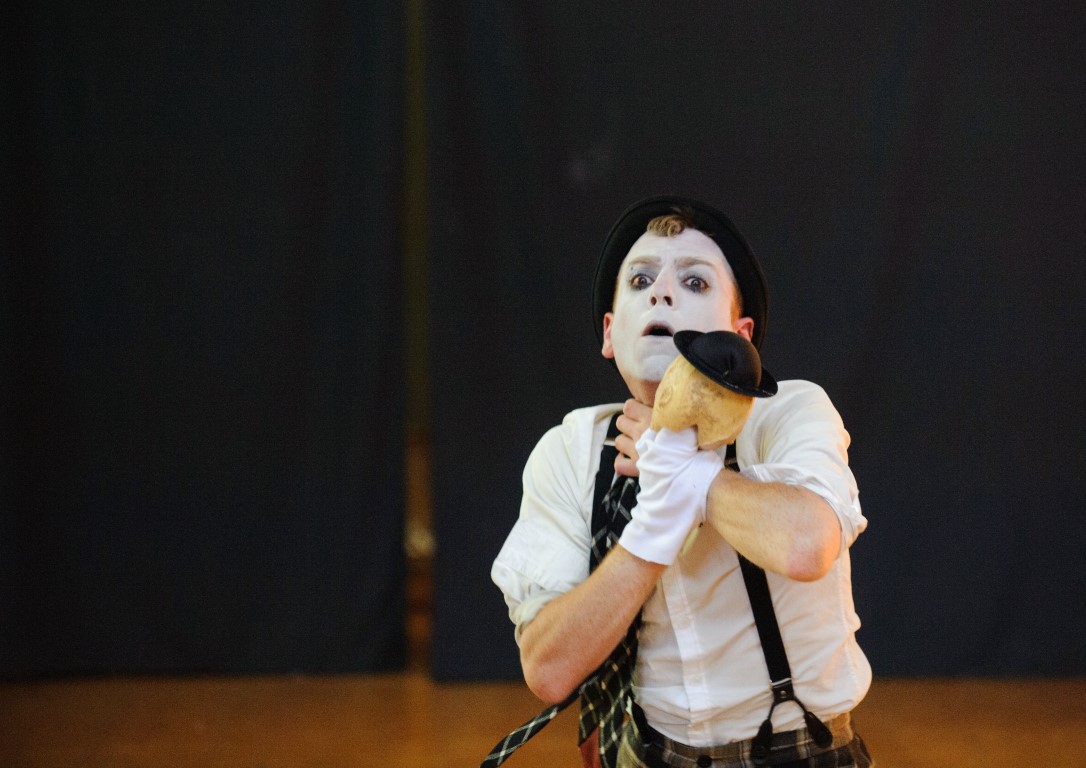
Teaching guitar to a couple of youngsters at Theatre Workshop Edinburgh in 1974 was one of the most
excruciating experiences of my life. Struggling with doubt driving the Theatre Workshop van through
evening fog to Blackburn, preparing to teach parents techniques for working with youths in theatre was
as bad; the fog was so thick no one turned up, and bent over the wheel at snail's pace I exulted, singing
my way back to Edinburgh.
Years later I read that it is often the second arrow to our bow that proves the most fruitful and gives us
depth in our work. At Guildhall we of the acting stream held our noses in the air past the teachers, but
my first arrow, so easy and instantly gratifying, was always shallow.
A group of unemployed youths on a six-month government scheme in Whangārei, New Zealand taught a green
immigrant how to teach theatre in the Quarry. Bridget Brandon taught me how to run an independent theatre
school at Drama Action Centre in Sydney, and ninety percent of the content I teach is still based on the
genius of Jacques Lecoq's research and practice. When David Latham was Dean of the VCA the latitude and
challenges he offered allowed all the staff an opening and a safety net in the dynamic world of training
passionate students.
If you want to teach theatre, find a church hall. It's light, airy, it's got a wooden floor, it's private —
not flash, not brash, the paint's worn and everything is old enough to settle into the background once
someone gets up to work. There are loos, a kitchen, possibly an office, probably an extra space for smaller
groups and some green around it too — including a branch that dapples a window and a bird that sings on cue
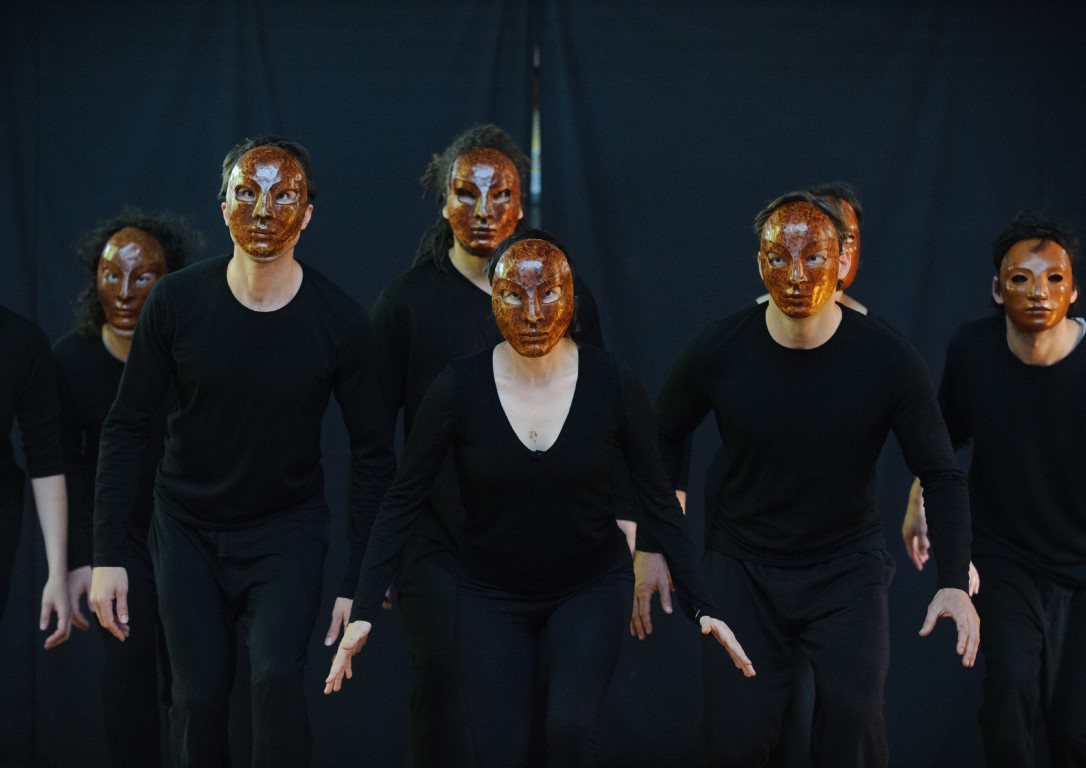
during a Neutral Mask exercise.
As much as feeling that in 1991 Melbourne would look kindly on a physically based theatre school, as much as
I was moved to start one, it was the delight in seeing The Holy Trinity church hall and the desire to work
there that kick-started the process towards opening a school. Lindy Marlow went to see the priest and came
back in half an hour with the news that it was free, he was keen to have us there, and it was cheap.
Marion Milner's book, On Not Being Able to Paint, is more of an inspiration than anything I have
ever read on theatre. She learned to paint "what the eye loves to look upon" and we learn to articulate
what the body loves to express. She realised that thought apart from action is a nonsense; we practice the
coherence of thought and image in activity. Willed creation can never find its true form or rhythm, but when
we are truly revealed we can transform completely into another.
— John Bolton